
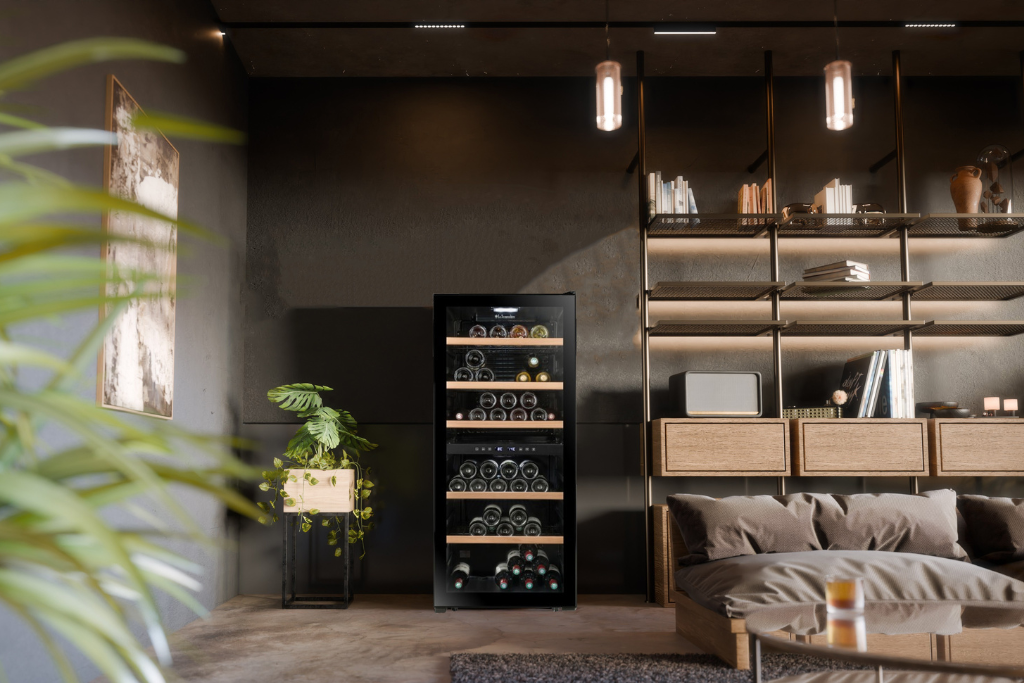
Installing a wine cellar is a crucial step in ensuring its proper operation and longevity. Poor installation can lead to overuse of components, excessive energy consumption, and premature breakdowns.
Identifying the most common installation mistakes helps prevent these issues and ensures the appliance’s long-term preservation.
An unsuitable location
Installing a wine cellar in an environment that is too hot, exposed to sunlight, or near a heat source is one of the most common mistakes. High ambient temperatures force the compressor to run continuously to maintain the internal temperature.
It is recommended to choose a temperate room, protected from significant temperature fluctuations.
Insufficient ventilation
The wine cellar must have sufficient space around it to allow proper air circulation. Inadequate ventilation prevents the heat produced by the compressor from dissipating and increases the risk of overheating.
Failure to respect the ventilation distances recommended by the manufacturer is a frequent cause of malfunction.
An improperly leveled appliance
A wine cellar installed on an uneven floor or not properly leveled can generate vibrations, unusual noise, and premature wear of mechanical components.
Precise leveling using the adjustable feet is essential to ensure the appliance’s stability and limit internal strain.
Overly confined installation
Placing a wine cellar in a closed or poorly ventilated space, without sufficient air intake, increases the risk of overheating. Built-in models require particular attention to ensure ventilation suited to their design.
Failure to follow the manufacturer’s instructions
Each wine cellar model has specific technical characteristics. It is essential to follow the manufacturer’s recommendations regarding installation, ambient temperature, ventilation, and integration conditions.
Built-in installation must be strictly limited to models designed for that purpose. Not all products can be built in. Installing a freestanding model inside furniture or in an unventilated niche can cause overheating, overconsumption, and significantly reduce the appliance’s lifespan.
Long-term consequences
Repeated or prolonged installation errors can lead to excessive energy consumption, premature compressor fatigue, and eventually irreversible failure. These situations often result in costly repairs or early replacement of the wine cellar.
Installation designed with sustainability in mind
Properly installing your wine cellar from the outset helps preserve performance, reduce maintenance needs, and limit the environmental impact linked to premature equipment replacement. Appropriate installation is fully aligned with a responsible consumption approach.
Conclusion
Location, ventilation, and leveling are essential factors to consider when installing a wine cellar. By avoiding common mistakes, it is possible to significantly extend the appliance’s lifespan and ensure optimal performance over the long term.