
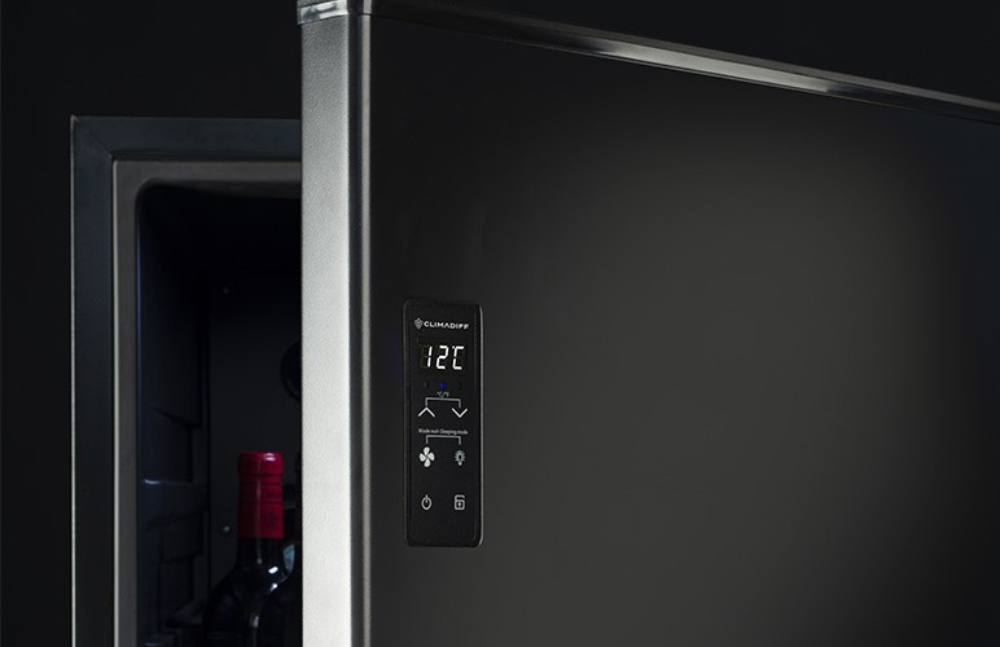
The compressor is one of the most heavily used components of a wine cellar. Its role is essential in maintaining a constant temperature, a key condition for proper bottle preservation. However, repeated overheating can accelerate wear and significantly reduce the appliance’s lifespan.
Understanding the causes of overheating helps adopt the right practices to protect the compressor and ensure long-term operation of the wine cellar.
Why the compressor is sensitive to temperature variations
The compressor operates in cycles to maintain the set temperature inside the wine cellar. When operating conditions are not optimal, it is forced to run longer or more frequently.
These additional efforts generate heat and lead to premature wear of mechanical and electrical parts.
Main causes of compressor overheating
Poor appliance ventilation
A wine cellar installed in a poorly ventilated space prevents proper dissipation of the heat produced by the compressor. Dust accumulation on ventilation grilles can also restrict airflow and cause temperature increases.
Inappropriate temperature settings
Frequent temperature changes or settings that are too low relative to ambient conditions place excessive strain on the compressor. It must operate more intensively to reach and maintain the desired temperature.
Unsuitable environment
Installing the wine cellar near a heat source or in a poorly insulated room may expose the appliance to high or very low ambient temperatures. In such conditions, the compressor must constantly compensate for external heat or cold.
Best practices to prevent overheating
Ensure proper airflow
It is important to respect the clearance distances recommended by the manufacturer around the wine cellar to allow effective ventilation. Ventilation grilles should be cleaned regularly to prevent dust buildup.
Stabilize temperature settings
Once the appropriate temperature for the type of wine stored is set, it is best to avoid repeated adjustments. A stable temperature reduces compressor cycles and limits overheating risks.
Choose a suitable location
The wine cellar should be installed in a room with an ambient temperature compatible with its specifications. A location away from direct heat sources helps preserve the compressor over time.
Consequences of prolonged overheating
Repeated overheating can lead to reduced performance, increased energy consumption, and eventually compressor failure. This type of breakdown is often costly and may result in full appliance replacement.
Protecting the compressor in a sustainable approach
Limiting overheating helps extend the lifespan of the wine cellar, reduce repair needs, and lower the environmental impact associated with premature replacement. Reasonable and preventive use aligns with responsible consumption.
Conclusion
Maintaining a stable temperature and preventing compressor overheating relies on simple but essential practices. Proper ventilation, appropriate settings, and suitable placement help preserve the wine cellar’s performance and ensure long-term durability.