
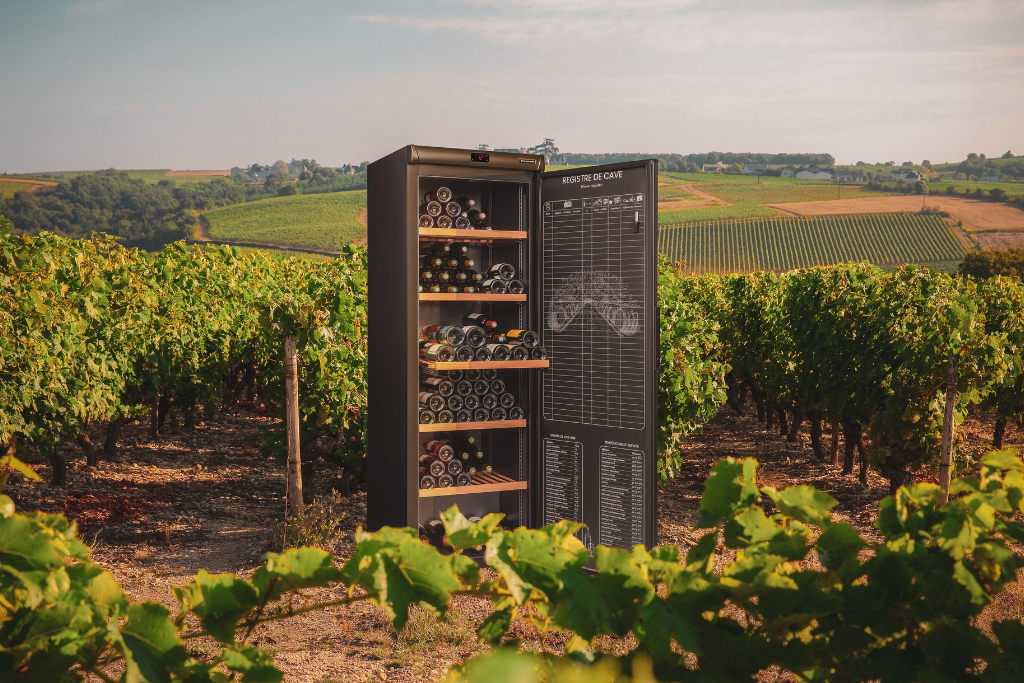
Loading a wine cellar is not just about storing bottles. Poor distribution or overloading can disrupt air circulation, create temperature imbalances, and excessively strain internal components.
Adopting proper loading practices helps preserve the appliance’s performance and extend its lifespan.
Why loading affects the operation of a wine cellar
Even circulation of cold air is essential to maintain a stable temperature throughout the unit. Improper loading can create areas that are too cold or too warm, forcing the regulation system to constantly compensate.
This overuse leads to increased energy consumption and premature wear of components.
The most common loading mistakes
Overloading the wine cellar
Exceeding the capacity recommended by the manufacturer prevents proper air circulation and may deform the shelves. Excessive overloading also increases the weight supported by the structure and internal supports.
Poor bottle distribution
An unbalanced load may cause vibrations and unusual noise. Bottles should be evenly distributed to ensure overall stability.
Using unsuitable bottles
Some wine cellars are designed for standard bottle formats. Using bottles of different shapes or sizes without adjusting the shelves can disrupt airflow and compromise stability.
Best practices for optimal loading
Respect the indicated capacity
The maximum capacity of a wine cellar is calculated to ensure optimal operation. It is recommended not to exceed it, even if space appears available.
Organize the shelves
Shelves must be correctly positioned and securely fixed. Clear organization facilitates air circulation and limits unnecessary handling.
Allow air to circulate
It is important not to block internal ventilation areas. Minimal space between bottles promotes even distribution of cold air.
Consequences of improper loading
Improper loading can lead to thermal instability, repeated vibrations, and excessive compressor strain. Over time, these stresses increase the risk of breakdown and reduce the appliance’s lifespan.
A simple action for sustainable use
Properly loading your wine cellar helps reduce energy consumption, limit component wear, and maintain appliance performance. This practice is part of a sustainable and responsible consumption approach.
Conclusion
Thoughtful and appropriate loading is essential to ensure the proper functioning of a wine cellar. By avoiding poor practices, it is possible to preserve the appliance over time and optimize its daily use.