
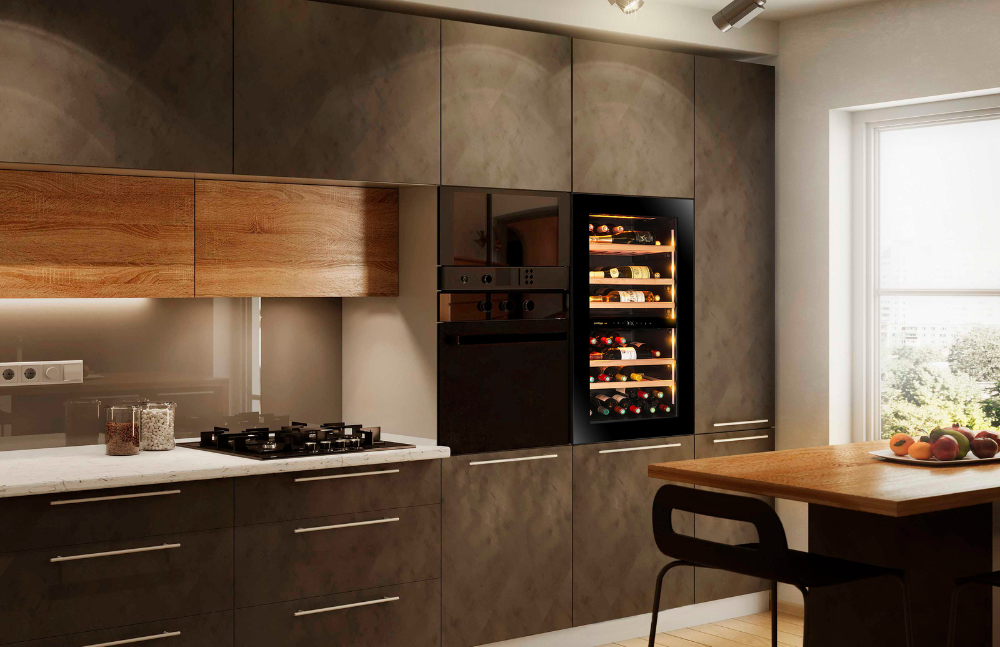
A wine cellar is designed to operate continuously to ensure stable storage conditions. However, this constant operation can lead to significant energy consumption if certain best practices are not followed.
Optimizing the daily use of your wine cellar helps reduce electricity consumption while preserving performance and lifespan.
Understanding the energy consumption of a wine cellar
The energy consumption of a wine cellar depends on several factors, including the temperature setting, frequency of door openings, installation environment, and the overall condition of the appliance.
A properly adjusted and well-maintained unit consumes less energy while ensuring optimal wine preservation.
Adopt appropriate temperature settings
An excessively low temperature setting increases strain on the compressor. It is recommended to adjust the temperature according to the type of wine stored and the intended use of the cellar, prioritizing stable and consistent settings.
Avoiding frequent changes helps limit operating cycles and electricity consumption.
Limit door openings
Each time the door is opened, warm air enters and causes internal temperature fluctuations. These variations force the appliance to compensate to reach the target temperature again.
Clear organization and quick access to bottles help reduce unnecessary openings.
Ensure proper installation and ventilation
A wine cellar installed in a temperate and well-ventilated room operates more efficiently. Respecting ventilation clearances and regularly cleaning air vents ensures optimal heat dissipation and reduces energy consumption.
Maintain the appliance regularly
Regular maintenance, including cleaning door seals, checking ventilation, and replacing the charcoal filter, helps maintain the energy performance of the wine cellar.
A unit in good condition requires less effort to function properly.
The role of loading and organization
Balanced loading that respects the recommended capacity facilitates airflow and limits temperature imbalances. Proper organization contributes to more efficient and less energy-intensive use.
Responsible and sustainable use
Optimizing your wine cellar’s energy consumption reduces its environmental impact while extending its lifespan. These everyday actions are part of an energy-conscious and responsible consumption approach.
Conclusion
Optimized use of a wine cellar relies on appropriate settings, regular maintenance, and proper installation. By adopting these best practices, it is possible to achieve energy savings while preserving storage quality and equipment longevity.